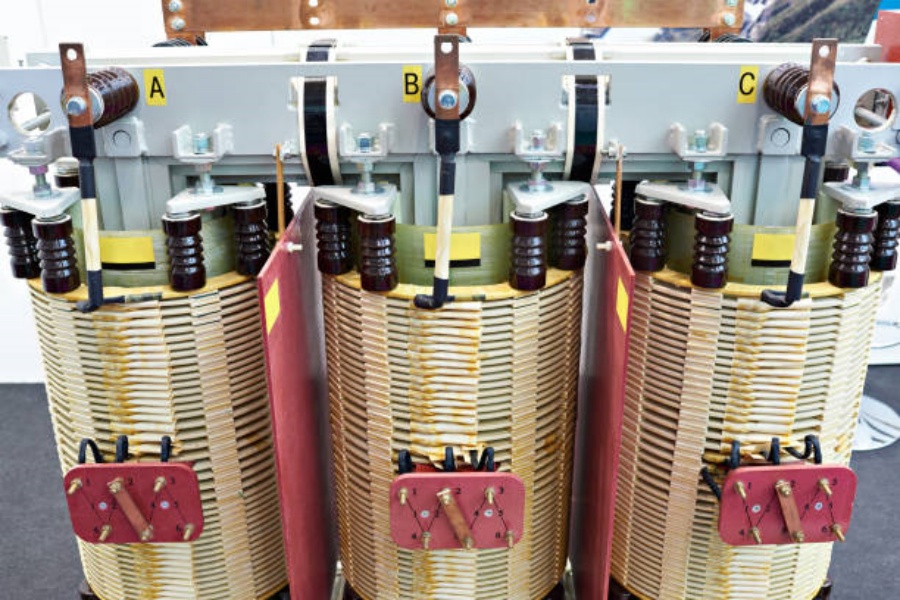
Modular transformer structure refers to a design approach in transformer manufacturing that uses pre-fabricated, standardized components or modules. These modules can be individually assembled or replaced, enabling customization, easier transportation, and simplified maintenance. The innovation behind modular transformer structures aims to optimize both production efficiency and operational flexibility for various applications in power distribution and electrical grids.
Advantages of Modular Transformer Structure in Power Systems
One of the significant benefits of the modular transformer structure lies in its scalability and adaptability within power systems. Modular designs allow utilities and industries to scale transformer capacity up or down by adding or removing specific modules. This flexibility meets fluctuating load demands without the need for complete equipment replacement, leading to reduced costs and downtime.
Design Flexibility Enhancements Enabled by Modular Transformer Structure
Modular transformer structures provide enhanced design flexibility compared to traditional single-unit transformers. Engineers can select different types of core, coil configurations, and cooling systems as modules to optimize for specific requirements such as voltage levels, power ratings, and environmental constraints. This tailored approach results in improved performance and efficiency in diverse operational environments.
Streamlined Manufacturing Processes through Modular Construction
The adoption of modular transformer structures revolutionizes manufacturing by enabling parallel production of individual modules. Standardized modules ensure consistent quality control, faster assembly lines, and reduced lead times. This modular methodology also facilitates mass customization, where multiple variations of transformers can be produced from a common set of units, increasing manufacturing efficiency.
Improved Installation and Transportation Logistics
Transporting large, high-capacity transformers traditionally poses logistical challenges due to their size and weight. Modular transformer structures overcome these obstacles by breaking down the transformer into manageable modules, easing transportation to remote sites or urban areas with limited access. On-site assembly further reduces risks and costs associated with heavy lifting and specialized transportation equipment.
Maintenance and Repair Benefits of Modular Transformer Structure
Maintenance becomes less time-consuming and costly with modular transformer structures. Faulty modules can be quickly isolated, removed, and replaced without dismantling the entire transformer. This modularity reduces service interruptions and extends the operational life of transformers by ensuring prompt repair and upgrades while maintaining overall system reliability.
Applications of Modular Transformer Structure in Renewable Energy Integration
The modular transformer structure plays a vital role in integrating renewable energy sources such as solar and wind power. The modularity allows flexible voltage transformation and phase adjustments required for irregular outputs from renewables. Additionally, modular transformers can be configured to handle variable loads and enhance the stability of smart grids incorporating renewable generation.
Environmental Impact and Sustainability of Modular Transformer Structure
Modular transformer structures contribute positively to sustainability goals by minimizing resource consumption and waste. The ability to upgrade or replace individual modules instead of the whole unit reduces the environmental footprint over the equipment's lifecycle. Furthermore, manufacturing efficiencies and optimized designs often lead to lower energy losses during operation, supporting greener power distribution.
Challenges and Considerations in Implementing Modular Transformer Structures
Despite numerous benefits, implementing modular transformer structures requires careful consideration of compatibility, module interconnections, and protection schemes. Design complexity can increase when ensuring modules perform seamlessly as a unified system. Additionally, initial costs may be higher compared to conventional transformers, necessitating a thorough cost-benefit analysis for specific use cases.
Future Developments and Innovations in Modular Transformer Technology
The future of modular transformer structures is promising, with ongoing research focused on integrating smart sensors, IoT connectivity, and advanced materials into modular components. These innovations aim to enhance real-time monitoring, predictive maintenance, and adaptive performance tuning. Such technological advancements will further establish modular transformers as essential elements in modern, resilient power infrastructure.
Quote Inquiry
contact us