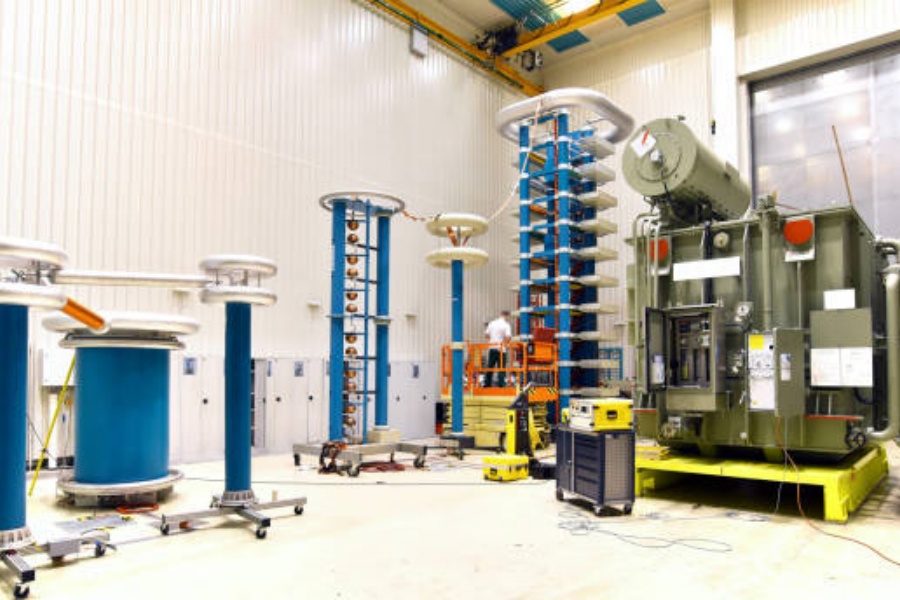
Cylinder modular transformers are critical components in electrical power systems, known for their compact design and efficient performance. Troubleshooting these transformers requires an in-depth understanding of their construction, function, and common failure modes. This article presents a comprehensive approach to cylinder modular transformer troubleshooting, aiming to enhance reliability and reduce downtime.
Understanding Cylinder Modular Transformer Design
The unique cylinder-shaped design of modular transformers allows for space-saving installation and optimized thermal management. Familiarity with the structural elements, such as the magnetic core, windings, insulation, and cooling systems, is essential when diagnosing issues. Proper knowledge ensures that troubleshooting efforts target the correct components.
Identifying Common Faults in Cylinder Modular Transformers
Troubleshooting begins with pinpointing common faults like winding insulation failures, oil leaks, overheating, and short circuits. Cylinder modular transformers often face dielectric breakdown and core saturation, leading to reduced efficiency or complete failure. Early fault detection is key to preserving transformer lifespan.
Visual Inspection Techniques for Troubleshooting
Routine visual inspections are crucial for identifying external damage, corrosion, or oil leaks in cylinder modular transformers. Checking the integrity of seals, bushings, and cooling fins can uncover early signs of malfunction. These inspections complement electrical testing methods, providing a complete fault assessment.
Electrical Testing Procedures in Troubleshooting
Effective cylinder modular transformer troubleshooting relies heavily on electrical tests such as insulation resistance measurement, winding resistance, turns ratio testing, and dielectric dissipation factor analysis. These tests help detect internal faults like shorted turns, poor insulation, or winding deformation.
Troubleshooting Overheating Issues
Overheating is a common problem in cylinder modular transformers and can stem from overload, insufficient cooling, or partial winding shorts. Proper troubleshooting involves analyzing temperature profiles, cooling system performance, and load conditions. Addressing overheating promptly prevents permanent transformer damage.
Diagnostic Use of Dissolved Gas Analysis (DGA)
Dissolved Gas Analysis (DGA) is a critical diagnostic tool for cylinder modular transformer troubleshooting that detects gases generated from insulation degradation or arcing faults within transformer oil. Monitoring gas levels such as hydrogen, methane, and acetylene provides early warning of internal failures.
Software and Smart Monitoring Solutions
Advancements in smart monitoring systems provide real-time data essential for cylinder modular transformer troubleshooting. Sensors that track temperature, oil quality, and partial discharges enable predictive maintenance by identifying emerging faults before they escalate.
Step-by-Step Troubleshooting Workflow
A structured workflow enhances the effectiveness of cylinder modular transformer troubleshooting. The process usually includes initial assessment, visual inspection, electrical testing, DGA analysis, thermal imaging, and finally, corrective maintenance or replacement. Adherence to systematic procedures ensures comprehensive diagnosis.
Preventive Measures and Maintenance Strategies
Troubleshooting is closely linked with preventive maintenance. Regular oil testing, temperature monitoring, and timely repairs help avoid transformer failures. Effective lubrication, cleaning of cooling components, and ensuring load balance are essential strategies that complement cylinder modular transformer troubleshooting.
Quote Inquiry
contact us