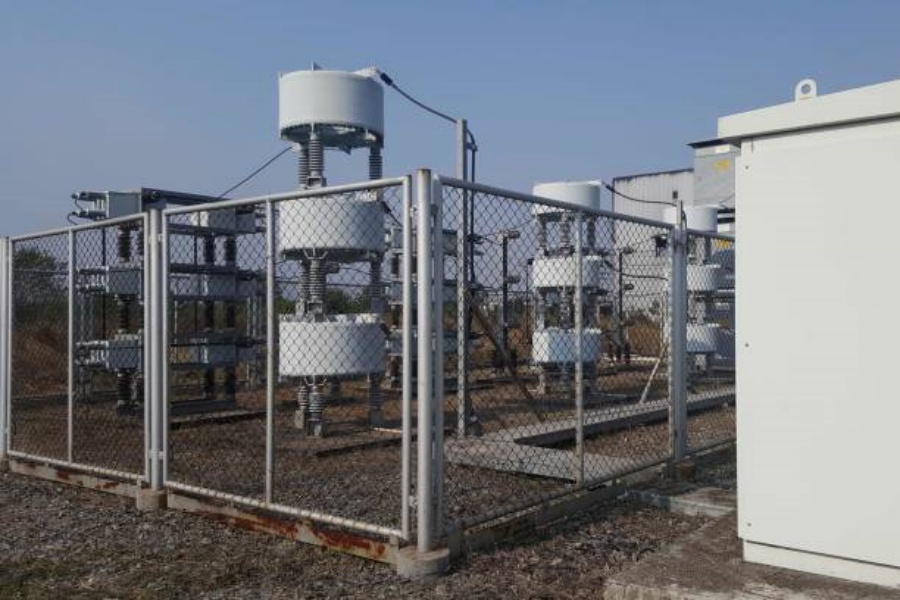
Understanding Cylinder Transformers and Their Safety Importance
Cylinder transformers are specialized electrical devices designed for voltage transformation in various industrial and commercial applications. Due to their unique cylindrical design, these transformers require strict adherence to safety protocols to prevent electrical hazards, equipment damage, and operational interruptions. Familiarity with
Cylinder Transformer Safety Guidelines is vital for personnel involved in installation, maintenance, and operation.
Proper Installation Procedures
Installation is a critical phase for ensuring the long-term safety of cylinder transformers. It is essential to follow manufacturer instructions, use appropriate mounting anchors, and verify electrical connections. Grounding the transformer correctly prevents potential electric shocks, and positioning the unit in a ventilated area helps dissipate heat effectively, reducing the risk of overheating incidents.
Routine Inspection and Maintenance Practices
Regular inspections minimize the likelihood of transformer failures. Checking for surface damages, oil leaks, corrosion, and unusual noises can help identify issues early. Maintenance should include testing insulation resistance, tightening connections, and cleaning cooling fins. Adhering to cylinder transformer safety guidelines during maintenance ensures equipment reliability and operational safety.
Handling Overcurrent and Overvoltage Protection
Protective devices such as circuit breakers and fuses must be integrated correctly to shield cylinder transformers from overcurrent and overvoltage conditions. Overcurrent can cause overheating, while voltage spikes may damage insulation. Implementing proper protection mechanisms according to cylinder transformer safety guidelines helps avoid catastrophic failures and prolongs transformer life.
Safe Operating Temperature Management
Ensuring the cylinder transformer operates within designated temperature limits is crucial. Excessive heating can degrade insulation and lead to transformer malfunction. Using temperature sensors and thermal monitoring systems allows timely detection of abnormal temperature rises. Operators must adhere to cylinder transformer safety guidelines for temperature control to maintain safe and efficient performance.
Electrical Isolation and Lockout/Tagout Procedures
During servicing or emergency situations, proper electrical isolation is necessary to protect maintenance personnel. Lockout/tagout procedures prevent accidental energization by securing switches and circuit breakers in the off position. Observing these safety protocols is mandatory under cylinder transformer safety guidelines to mitigate the risk of electrical injuries.
Emergency Response and Incident Handling
Preparedness for emergency conditions, such as transformer faults or fires, improves safety outcomes. Personnel should receive training on immediate actions, including disconnecting power, using fire extinguishers rated for electrical fires, and evacuating the area if needed. Familiarity with cylinder transformer safety guidelines enhances effective response and minimizes hazard escalation.
Environmental Considerations and Spill Prevention
Many cylinder transformers utilize insulating oil, which poses environmental risks if spilled. Safety guidelines recommend containment measures such as drip pans and bunding to prevent oil leakage into soil or water sources. Proper disposal and recycling of transformer oil are also vital practices outlined in cylinder transformer safety guidelines to ensure environmental protection.
Personal Protective Equipment (PPE) Requirements
Use of appropriate PPE, including insulated gloves, protective eyewear, and flame-resistant clothing, is obligatory when working with cylinder transformers. PPE reduces exposure to electrical shocks, arc flashes, and chemical hazards from insulating materials. Strict compliance with these safety standards is a core aspect of cylinder transformer safety guidelines.
Training and Competency for Personnel
Competent personnel trained specifically on cylinder transformer safety guidelines contribute significantly to operational safety. Training programs should cover risk identification, safe handling, emergency protocols, and equipment-specific knowledge. Continuous education and certification ensure workers remain updated on the latest safety practices and regulatory requirements.
Implementing Safety Signage and Documentation
Clear and visible safety signage alerts workers to potential transformer hazards and safety zones. Maintaining detailed documentation, including maintenance records, safety checklists, and incident reports, supports compliance and continuous improvement. Adhering to cylinder transformer safety guidelines involves meticulous record-keeping and accurate communication of safety information.
Quote Inquiry
contact us