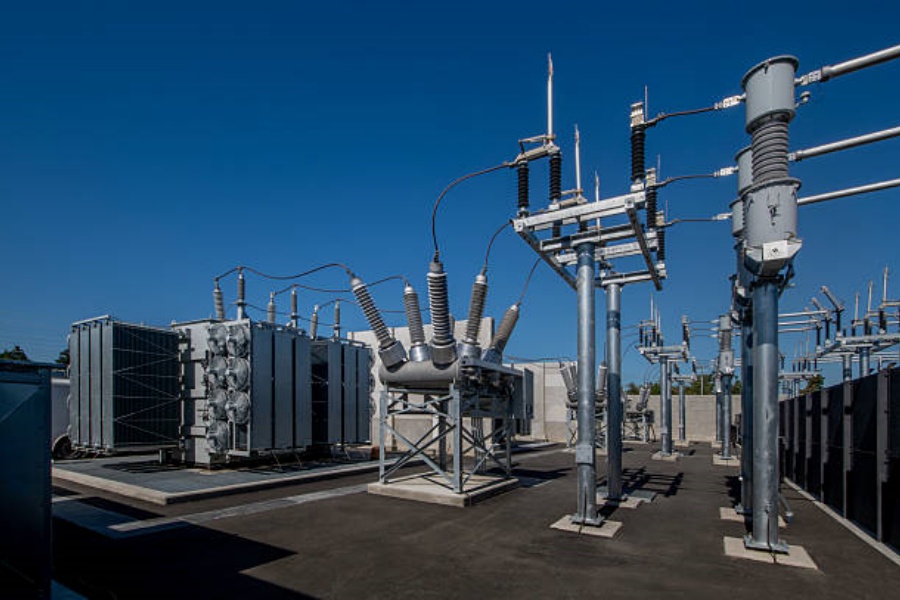
Understanding Modular Transformer Basics
To effectively implement
Modular Transformer Operation Tips, it is crucial to first understand the foundational principles of modular transformers. These transformers consist of interchangeable, standardized units that can be configured to meet varying voltage and current requirements. This flexibility enhances scalability and maintenance, making them ideal for diverse industrial and commercial applications. Knowing the architecture lays the groundwork for optimizing performance and reliability.
Importance of Proper Installation Procedures
One of the core modular transformer operation tips involves meticulous installation. Incorrect installation can lead to premature failure or inefficiency. Ensuring proper grounding, alignment of modules, and securing all electrical connections reduces system losses and protects against electrical hazards. Installation should always follow manufacturer specifications to maintain warranty coverage and safety standards.
Routine Inspection and Maintenance Protocols
Regular inspections are vital for maintaining the health of modular transformers. Operation tips emphasize checking for loose connections, contamination, or signs of overheating in each module. Scheduled preventive maintenance detects potential problems early, extending transformer lifespan and ensuring continuous operation without unexpected downtime.
Balancing Load Across Modules
For modular transformers operating efficiently, load balancing is indispensable. Unequal load distribution can overstress individual modules, causing thermal imbalances and reduced efficiency. Employing load balancing strategies ensures that current and voltage are evenly shared, preventing premature wear and improving energy efficiency.
Effective Cooling Techniques for Performance Enhancement
Managing temperature is a significant modular transformer operation tip. Overheating adversely affects insulation and core materials. Implementing proper cooling systems such as forced air or liquid cooling is essential to dissipate heat from densely packed modules. Monitoring temperature helps avoid thermal stresses and prolongs transformer reliability.
Utilizing Advanced Monitoring and Diagnostic Tools
Modern modular transformer operation tips recommend integrating advanced monitoring tools. Sensors capable of tracking voltage, current, temperature, and humidity provide real-time data that enable proactive management. Diagnostic software analyzes this information to predict failures before they occur, facilitating timely interventions and minimizing downtime.
Ensuring Compatibility of Modular Components
Modular transformers rely on component compatibility for optimal function. When upgrading or replacing modules, adhering to compatibility guidelines prevents operational conflicts. Using original or certified parts preserves electrical characteristics and prevents damage, reinforcing the importance of compatibility in modular transformer operation tips.
Managing Environmental Conditions
Environmental factors such as humidity, dust, and temperature fluctuations impact modular transformer performance. Operation tips stress the need for protective enclosures and controlled environments to safeguard modules from corrosion and contamination. Proper environmental management reduces maintenance frequency and protects sensitive electronics.
Optimizing Energy Efficiency During Operation
Energy efficiency remains a top priority in modular transformer operation tips. Selecting modules with superior core materials and low-loss designs reduces energy dissipation. Additionally, operating transformers near their optimal load range minimizes losses, contributing to cost savings and sustainable energy practices.
Adhering to Safety Regulations and Standards
Finally, complying with safety regulations is a non-negotiable aspect of modular transformer operation tips. Ensuring adherence to national and international electrical standards protects personnel and equipment. Proper labeling, emergency shutdown procedures, and regular safety audits mitigate risks associated with high-voltage electrical devices.
Quote Inquiry
contact us