The Ultimate Guide to Industrial HV DC Voltage Generators
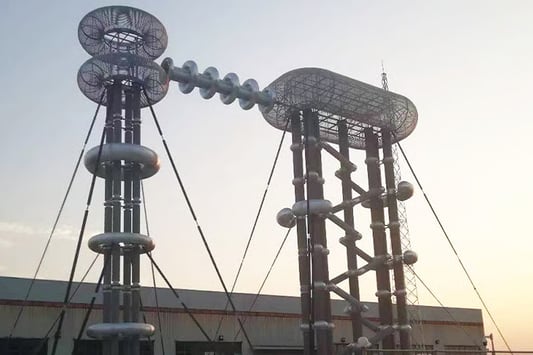
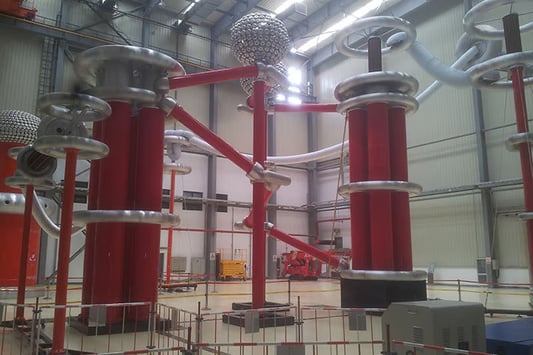
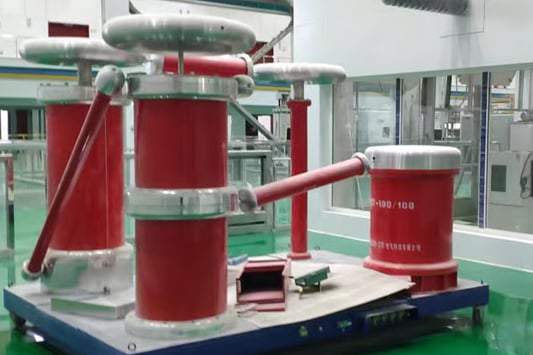
What is an industrial HV DC voltage generator?An industrial HV DC voltage generator is a high-voltage direct current (HV DC) power supply used in various industrial applications. It is designed to generate a stable output of DC voltage at high levels, making it ideal for powering equipment that requires high voltage.Key Components of an Industrial HV DC Voltage GeneratorAn industrial HV DC voltage generator consists of several key components, including a transformer, rectifier, filter, and voltage regulator. The transformer is used to step up the input voltage to the desired level, while the rectifier converts AC to DC. The filter helps smooth out the output voltage, and the voltage regulator ensures a constant output.Applications of Industrial HV DC Voltage GeneratorsIndustrial HV DC voltage generators are used in a wide range of applications, including electroplating, material processing, semiconductor manufacturing, and high-voltage testing. They are also commonly used in power transmission and distribution systems, where high voltage is required to reduce power losses.Benefits of Using an Industrial HV DC Voltage GeneratorOne of the main benefits of using an industrial HV DC voltage generator is its ability to provide a stable and reliable source of high voltage. This is essential in industries where precision and consistency are paramount. Additionally, HV DC power is more efficient for long-distance power transmission compared to AC power.Factors to Consider When Choosing an Industrial HV DC Voltage GeneratorWhen selecting an industrial HV DC voltage generator, it is essential to consider factors such as the required output voltage, current capacity, efficiency, reliability, and safety features. It is also important to choose a reputable manufacturer with a track record of producing high-quality equipment.Maintenance and Safety Considerations for Industrial HV DC Voltage GeneratorsProper maintenance and safety precautions are crucial when operating an industrial HV DC voltage generator. Regular inspections, testing, and preventive maintenance are essential to ensure the generator's continued performance and longevity. Safety measures such as proper grounding, insulation, and protective equipment should also be followed to prevent accidents.Latest Technological Advancements in Industrial HV DC Voltage GeneratorsRecent advancements in technology have led to the development of more efficient and compact industrial HV DC voltage generators. These generators now feature digital controls, advanced protection mechanisms, and remote monitoring capabilities. Some models also offer energy-saving features and improved reliability.Comparing Industrial HV DC Voltage Generators to AlternativesWhen considering power supply options for industrial applications, industrial HV DC voltage generators offer distinct advantages over alternatives such as low-voltage DC power supplies or AC power sources. HV DC power is better suited for high-power applications and long-distance transmission, making it a preferred choice for certain industries.Environmental Impact of Industrial HV DC Voltage GeneratorsIndustrial HV DC voltage generators can have a positive environmental impact by reducing power losses in transmission and distribution systems. By minimizing energy waste and improving efficiency, HV DC power helps lower overall carbon emissions and contributes to a more sustainable energy infrastructure.Future Outlook for Industrial HV DC Voltage GeneratorsAs industries continue to demand higher power levels and more efficient energy solutions, the demand for industrial HV DC voltage generators is expected to grow. Future developments may focus on integrating renewable energy sources, improving grid stability, and enhancing smart grid capabilities to meet the evolving needs of modern industries.Quote Inquirycontact us
READ MORE
The Ultimate Guide to Remote Control HV DC Generators
What is a remote control HV DC generator?A remote control HV DC generator is a type of generator that produces high voltage direct current electricity from a remote location. These generators are commonly used in industrial and scientific applications where a high voltage DC power source is required.How Does a Remote Control HV DC Generator Work?Remote control HV DC generators work by converting mechanical energy into electrical energy through the use of a rotating magnetic field. This magnetic field induces a current in the generator's windings, which is then converted into high voltage direct current.Applications of Remote Control HV DC GeneratorsRemote control HV DC generators are used in a variety of applications, including power transmission, scientific research, and industrial processes. They are often used in situations where a stable and reliable source of high voltage DC power is required.Advantages of Using Remote Control HV DC GeneratorsOne of the main advantages of using remote control HV DC generators is their ability to provide a consistent and reliable source of high voltage DC power. They are also highly efficient and can be controlled remotely, making them ideal for use in remote or hazardous environments.Key Components of a Remote Control HV DC GeneratorA remote control HV DC generator typically consists of a rotor, stator, exciter, rectifier, and control unit. The rotor is the rotating part of the generator, while the stator is the stationary part. The exciter provides the initial electrical power to the rotor, which is then converted into high voltage DC by the rectifier.Factors to Consider When Choosing a Remote Control HV DC GeneratorWhen choosing a remote control HV DC generator, it is important to consider factors such as power output, voltage rating, efficiency, and control options. It is also important to consider the specific requirements of the application in which the generator will be used.Maintenance and Safety Tips for Remote Control HV DC GeneratorsTo ensure the safe and efficient operation of a remote control HV DC generator, regular maintenance is essential. This may include cleaning the generator, checking for any loose connections, and monitoring the generator's performance. Safety precautions should also be followed when working with high voltage DC power.Future Trends in Remote Control HV DC Generator TechnologyAs technology continues to advance, remote control HV DC generator technology is also evolving. Future trends may include improvements in efficiency, increased automation and control options, and the development of more compact and lightweight generators.Top Manufacturers of Remote Control HV DC GeneratorsThere are several top manufacturers of remote control HV DC generators, including ABB, Siemens, and General Electric. These companies are known for producing high-quality generators that are reliable and efficient.ConclusionIn conclusion, remote control HV DC generators are an essential component in many industrial and scientific applications where high voltage DC power is required. By understanding how these generators work, their applications, advantages, key components, and maintenance requirements, users can ensure the safe and efficient operation of their equipment.Quote Inquirycontact us
READ MORE
The Working Principle of Impulse Current Generators
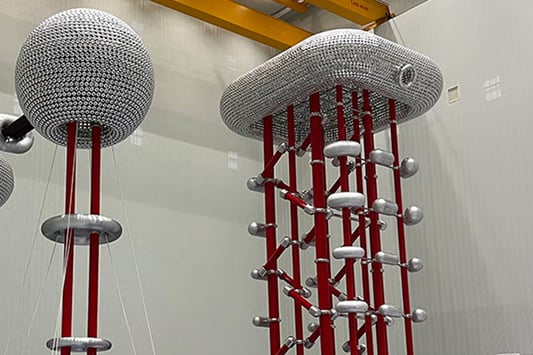
Overview of Impulse Current GeneratorsImpulse current generators are devices used in electrical engineering to produce high magnitude current pulses for testing various electrical equipment and systems. These generators are crucial in ensuring the safety and reliability of electrical components.Basic Components of Impulse Current GeneratorsThe key components of an impulse current generator include an energy storage system, a switching device, and a load or test object. The energy storage system stores electrical energy that is discharged through the switching device to create the desired high magnitude current pulse.Working Principle of Impulse Current GeneratorsImpulse current generators operate on the principle of electromagnetic induction. When the energy stored in the capacitor is discharged through the switching device, a rapid change in current occurs, producing a high-energy impulse that is applied to the test object.Capacitor Charging ProcessBefore generating an impulse current, the capacitor in the generator must be charged to a specific voltage level. This charging process involves transferring electrical energy from an external power source to the capacitor, storing it for later discharge.Switching Device FunctionalityThe switching device in an impulse current generator acts as a trigger mechanism to rapidly discharge the stored energy in the capacitor. This switching action is essential for creating the high magnitude current pulse needed for testing purposes.Load Characteristics in Impulse Current GeneratorsThe load or test object connected to the impulse current generator plays a critical role in determining the effectiveness of the testing process. Different types of loads exhibit varying responses to the high-energy impulses generated by the device.Applications of Impulse Current GeneratorsImpulse current generators find widespread use in the testing of surge arresters, circuit breakers, transformers, and other electrical components. These devices are invaluable in assessing the performance and durability of critical equipment.Advantages of Impulse Current GeneratorsOne of the primary advantages of impulse current generators is their ability to deliver precise and repeatable high-energy pulses for testing purposes. This accuracy ensures consistent and reliable results in evaluating the performance of electrical systems.Limitations of Impulse Current GeneratorsDespite their effectiveness, impulse current generators have limitations, such as limited energy storage capacity and the need for specialized equipment to handle the high magnitude current pulses. These constraints can impact the testing capabilities of the generator.Future Developments in Impulse Current GeneratorsResearchers continue to explore new technologies and techniques to enhance the performance and efficiency of impulse current generators. Future advancements may focus on increasing energy storage capacity, improving switching device technologies, and expanding the application range of these devices.Quote Inquirycontact us
READ MORE
Understanding Impulse Test on a Power Transformer
What is an Impulse Test?An impulse test on a power transformer is a crucial diagnostic test conducted to ensure the insulation system's reliability and performance under transient voltage conditions. This test is designed to simulate lightning strikes or switching surges that a transformer may experience during its operational life.Importance of Impulse TestingImpulse testing helps determine the transformer's ability to withstand sudden voltage spikes without compromising its integrity. By subjecting the transformer to high-voltage impulse waveforms, engineers can evaluate its insulation strength and overall quality. This test is essential in assessing the transformer's resilience to external disturbances.Testing ProcedureDuring an impulse test, a high-voltage impulse generator is used to apply voltage waves to the transformer winding. The amplitude and duration of these impulses are carefully controlled to mimic real-world conditions. The transformer's response to these impulses is closely monitored to identify any potential weaknesses in its insulation system.Interpreting Test ResultsAfter conducting the impulse test, engineers analyze the test results to assess the transformer's insulation condition. Any abnormal responses, such as partial discharge activity or breakdowns, indicate potential weaknesses that need to be addressed. These findings are crucial in determining the transformer's overall reliability and need for maintenance.Benefits of Impulse TestingImpulse testing provides valuable insights into the transformer's insulation system's robustness and durability. By identifying potential issues early on, operators can prevent costly failures and downtime. This proactive approach to maintenance helps extend the transformer's operating life and ensures continuous power supply reliability.Frequency of Impulse TestingImpulse testing is typically performed during the initial commissioning of a power transformer to validate its insulation system's quality. Additionally, regular interval testing is recommended to monitor the transformer's condition and detect any degradation over time. Adhering to a scheduled testing regimen is essential for maintaining transformer performance.Safety ConsiderationsGiven the high voltages involved in impulse testing, safety precautions are paramount to protect personnel and equipment. Proper grounding, insulation, and personal protective equipment should be used during testing to mitigate the risks associated with high-voltage impulses. Compliance with industry safety standards is imperative.Advanced Impulse Testing TechniquesWith advancements in technology, new techniques such as digital impulse testing have emerged to enhance the accuracy and efficiency of impulse testing. These techniques utilize advanced diagnostic tools and algorithms to analyze the transformer's response to impulse waves in real-time, providing a more detailed assessment of its insulation condition.Industry Standards and RegulationsImpulse testing on power transformers is governed by industry standards such as IEEE and IEC, which outline the testing procedures, acceptance criteria, and reporting requirements. Compliance with these standards is essential to ensure the reliability and safety of power transformer installations. Regular updates and revisions to these standards reflect advancements in testing methodologies.ConclusionIn conclusion, impulse testing plays a vital role in assessing the insulation system's integrity of power transformers. By subjecting transformers to simulated impulse waves, engineers can identify potential weaknesses and ensure the transformers' reliability and performance. Adhering to industry standards and safety protocols is essential for conducting accurate and informative impulse tests.Quote Inquirycontact us
READ MORE
The Importance of Impulse Tests on Power Transformers
What Is an impulse test on power transformers?An impulse test on power transformers is a crucial step in the testing process that assesses the transformer's ability to withstand sudden voltage surges. These surges can occur due to lightning strikes or switching operations, so it is essential for transformers to be able to handle them without damage.Why Are Impulse Tests Necessary?Power transformers play a vital role in electrical systems, and any failure can lead to significant disruptions. Impulse tests help ensure that transformers are robust enough to withstand unforeseen voltage spikes, thereby improving system reliability and longevity.The Testing ProcedureDuring an impulse test, a high voltage impulse is applied to the transformer to simulate a sudden voltage surge. The transformer's response is then analyzed to determine its insulation levels and overall performance under stressful conditions.Interpreting Test ResultsThe results of an impulse test provide valuable insights into the transformer's insulation quality. By examining parameters such as the rate of rise of the impulse voltage and the peak voltage reached, engineers can assess the transformer's ability to withstand transient overvoltages.Ensuring Safety and ReliabilityImpulse tests are essential for ensuring the safety and reliability of power transformers. By subjecting transformers to extreme conditions, manufacturers can identify potential weaknesses and make necessary improvements to enhance performance and longevity.Compliance with StandardsImpulse tests are conducted in accordance with international standards such as IEC and IEEE to ensure consistency and reliability across the industry. Adhering to these standards helps guarantee that transformers meet the required performance criteria.Benefits of Impulse TestingImpulse testing helps mitigate the risk of transformer failures, which can be costly and disruptive. By identifying weaknesses early on, manufacturers can address potential issues before they escalate, ultimately saving time and resources.Preventive MaintenanceRegular impulse testing is a form of preventive maintenance that can help extend the lifespan of power transformers. By proactively assessing the transformer's insulation integrity, operators can detect and address issues before they lead to failures.Future Developments in Impulse TestingAdvancements in technology are continuously improving impulse testing procedures, making them more accurate and efficient. Innovations such as digital monitoring systems and automated testing processes are enhancing the reliability and effectiveness of impulse tests.ConclusionIn conclusion, impulse tests on power transformers are a critical aspect of ensuring system reliability and performance. By subjecting transformers to simulated voltage surges, engineers can assess their insulation quality and identify potential weaknesses. These tests help manufacturers comply with industry standards, improve safety, and prevent costly failures.Quote Inquirycontact us
READ MORE
The Importance of Impulse Testing of Cables for Safety and Reliability
What is impulse testing of cables?Impulse testing of cables is a crucial process that assesses the ability of cables to withstand sudden voltage surges. These surges, also known as impulses, can occur due to lightning strikes, switching operations, or other transient events. By subjecting cables to controlled impulse voltages, engineers can evaluate their insulation integrity and overall reliability.Types of Impulse TestsThere are several types of impulse tests conducted on cables, including standard lightning impulse tests, chopped lightning impulse tests, and switching impulse tests. Each test simulates different real-world scenarios to ensure that cables can withstand a variety of voltage surges and transient disturbances.Importance of Impulse TestingImpulse testing of cables is essential to ensure the safety and reliability of electrical systems. Cables that fail to withstand impulse voltages can lead to short circuits, equipment damage, and even fires. By identifying potential weaknesses through impulse testing, engineers can prevent catastrophic failures and protect both people and property.Testing ProceduresDuring impulse testing, cables are subjected to high-voltage impulses with specific waveforms and durations. The test results are carefully analyzed to assess the insulation condition, discharge behavior, and overall performance of the cables. Any anomalies or deviations from expected results can indicate potential issues that need to be addressed.Industry StandardsImpulse testing of cables is governed by industry standards and regulations to ensure consistency and accuracy across different testing facilities. Standards such as IEC 60230 and IEEE 1313 provide guidelines for conducting impulse tests and interpreting the results. Adhering to these standards is crucial for guaranteeing the effectiveness of the testing process.Benefits of Impulse TestingThe benefits of impulse testing of cables are manifold. By proactively testing cables for impulse withstand capability, industries can minimize the risk of costly downtime, equipment failure, and safety hazards. Regular impulse testing also helps in identifying potential insulation weaknesses before they escalate into serious issues.Challenges in Impulse TestingDespite its importance, impulse testing of cables presents certain challenges. Testing large cables or long cable lengths can be logistically complex, requiring specialized equipment and testing setups. Additionally, interpreting the test results accurately and implementing corrective measures based on the findings can be demanding tasks.Quality AssuranceImpulse testing plays a critical role in quality assurance for cable manufacturers and installers. By subjecting cables to rigorous impulse tests before deployment, manufacturers can verify the quality of their products and ensure compliance with industry standards. This proactive approach helps in building trust with customers and enhancing the overall reputation of the brand.Future Trends in Impulse TestingAs technology advances and electrical systems become more sophisticated, the demand for reliable impulse testing methods is expected to rise. Innovations in testing equipment, data analysis techniques, and simulation software will drive improvements in the accuracy and efficiency of impulse testing. Keeping pace with these developments will be crucial for ensuring the safety and reliability of cable systems.ConclusionIn conclusion, impulse testing of cables is a vital process that safeguards the integrity and performance of electrical systems. By subjecting cables to controlled impulse voltages and analyzing the test results, engineers can identify potential weaknesses and mitigate risks before they escalate. Adhering to industry standards, investing in quality testing procedures, and staying abreast of technological advancements are essential for ensuring the safety and reliability of cable systems in the modern era.Quote Inquirycontact us
READ MORE
The Significance of Impulse Testing of High Voltage Transformers
Understanding Impulse Testingimpulse testing of high voltage transformers is a crucial process that evaluates the insulation strength and integrity of the transformer under high voltage stress.Importance of Impulse TestingThe impulse test helps to ensure the reliability and safety of high voltage transformers by detecting any weaknesses or defects in the insulation system that could lead to failure during operation.Types of Impulse TestsThere are various types of impulse tests such as lightning impulse test and switching impulse test, each simulating different stress conditions that the transformer may encounter in real-world scenarios.Procedures for Impulse TestingDuring impulse testing, high voltage pulses are applied to the transformer and the response is then measured to determine the insulation strength and ability to withstand sudden voltage surges.Interpretation of Test ResultsThe test results are analyzed to assess the insulation performance of the transformer and to identify any areas of concern that may require further investigation or maintenance.Compliance with StandardsImpulse testing is conducted in accordance with international standards such as IEC 60060 to ensure consistency and accuracy in testing high voltage transformers.Benefits of Regular TestingRegular impulse testing of high voltage transformers can help prevent unexpected failures, reduce downtime, and extend the lifespan of the equipment.Challenges in TestingChallenges in impulse testing include ensuring the safety of personnel during high voltage testing and interpreting complex test data accurately.Future Trends in Impulse TestingAdvancements in technology are leading to more sophisticated testing methods for high voltage transformers, such as digital simulation and automated testing processes.ConclusionIn conclusion, impulse testing of high voltage transformers is a critical aspect of ensuring the reliability and safety of these essential electrical components, and plays a key role in preventing costly failures and downtime.Quote Inquirycontact us
READ MORE
Understanding Impulse Testing of Insulators
Introduction to Insulator Testingimpulse testing of insulators is a crucial process in ensuring the reliability and durability of electrical systems. Insulators play a vital role in isolating conductors and preventing electrical leakage, making it essential to test their ability to withstand sudden voltage surges.Types of Impulse TestsThere are various types of impulse tests conducted on insulators, including lightning impulse tests, switching impulse tests, and chopped wave impulse tests. Each test simulates different scenarios to evaluate the insulator's performance under various conditions.Importance of Lightning Impulse TestsLightning impulse tests are especially important as they assess the insulator's ability to withstand high-voltage surges caused by lightning strikes. These tests help ensure that insulators can effectively protect electrical systems from damage during severe weather conditions.Significance of Switching Impulse TestsSwitching impulse tests evaluate how insulators respond to rapid changes in voltage levels, such as those caused by switching operations in power grids. These tests are essential for identifying potential weaknesses in insulators that may lead to failures during normal operating conditions.Chopped Wave Impulse Tests ExplainedChopped wave impulse tests involve applying repetitive short-duration pulses to insulators to simulate the stress they experience during normal operation. These tests help assess the insulator's ability to withstand frequent voltage fluctuations without compromising its performance.Testing Procedures and StandardsImpulse testing of insulators follows specific procedures outlined by international standards such as IEC and IEEE. These standards ensure that tests are conducted uniformly across different insulator types and help manufacturers meet quality assurance requirements.Benefits of Impulse TestingBy subjecting insulators to impulse tests, manufacturers can identify potential defects or weaknesses early in the production process. This proactive approach helps prevent unexpected failures in the field and improves the overall safety and reliability of electrical systems.Challenges in Impulse TestingDespite its importance, impulse testing of insulators can present challenges such as complex test setups, high testing costs, and the need for specialized equipment. Overcoming these challenges requires collaboration between manufacturers, testing laboratories, and regulatory bodies.Recent Advances in Insulator TestingAdvancements in technology have led to the development of more sophisticated testing methods, such as digital impulse testing systems and computer simulation models. These innovations have made impulse testing more accurate, efficient, and cost-effective for manufacturers.ConclusionImpulse testing of insulators plays a critical role in ensuring the safety and reliability of electrical systems. By conducting various impulse tests and adhering to international standards, manufacturers can produce high-quality insulators that meet performance requirements and withstand the rigors of real-world applications.Quote Inquirycontact us
READ MORE
Understanding Impulse Testing of Power Transformer
impulse testing of power transformer is a crucial process that ensures the reliability and safety of these essential electrical components. By subjecting transformers to high voltage impulses, engineers can evaluate their performance under extreme conditions and identify any potential weaknesses. This article will delve into the various aspects of impulse testing and why it is essential for the proper functioning of power transformers.What is Impulse Testing?Impulse testing involves applying high voltage impulses to the power transformer to simulate lightning strikes or other sudden voltage surges. This test helps determine if the transformer can withstand transient overvoltages without suffering insulation failure or other damage. It is a standard procedure in transformer manufacturing and maintenance to ensure the transformer's reliability in real-world scenarios.Types of Impulse TestsThere are two main types of impulse tests commonly performed on power transformers: lightning impulse test and switching impulse test. The lightning impulse test evaluates the transformer's ability to withstand lightning strikes, while the switching impulse test assesses its response to abrupt changes in voltage during normal operation.Importance of Impulse TestingImpulse testing is crucial for verifying the insulation strength of power transformers. By subjecting the transformer to high voltage impulses, engineers can identify any weak points in the insulation system that could lead to breakdown under transient overvoltages. This helps prevent unexpected failures and ensures the transformer's longevity.Testing ProceduresDuring an impulse test, the transformer is connected to a special test circuit that generates high voltage impulses with defined waveforms and magnitudes. The test voltage is gradually increased until the desired impulse level is reached, and the transformer's response is carefully monitored for any signs of breakdown or failure.Interpreting Test ResultsAfter completing the impulse test, engineers analyze the test results to determine the transformer's impulse strength and insulation performance. Any abnormalities or deviations from the expected behavior are carefully examined to pinpoint potential weaknesses in the transformer design or construction.Benefits of Impulse TestingImpulse testing provides valuable insights into the transformer's ability to withstand transient overvoltages, which are common in power distribution systems. By identifying and rectifying any insulation weaknesses, engineers can enhance the transformer's reliability and reduce the risk of costly downtime or equipment damage.Industry Standards and RegulationsImpulse testing of power transformers is governed by industry standards such as IEC, ANSI, and IEEE, which define the testing procedures, equipment requirements, and acceptance criteria. Compliance with these standards is essential to ensure the reliability and safety of power transformers in various applications.Challenges in Impulse TestingConducting impulse tests on power transformers can pose certain challenges, such as ensuring the safety of testing personnel, handling high voltage equipment, and interpreting complex test results. Proper training, experience, and adherence to safety protocols are essential to overcome these challenges effectively.Future Trends in Impulse TestingAdvancements in technology are driving innovations in impulse testing methods, such as the use of digital simulation tools, sensor-based monitoring systems, and automated testing procedures. These developments aim to enhance the accuracy, efficiency, and reliability of impulse testing for power transformers in the future.ConclusionImpulse testing of power transformers is a critical process that evaluates the insulation strength and performance of transformers under transient overvoltages. By conducting thorough impulse tests and analyzing the results, engineers can ensure the reliability, safety, and longevity of power transformers in various applications.Quote Inquirycontact us
READ MORE